Cutting Fluid Selection for Aluminum and Aluminum Alloy Machining
Selecting the right cutting fluid is critical for successful aluminum and aluminum alloy machining. This guide covers the key considerations for choosing the appropriate cutting fluid.
1. Why Cutting Fluids Corrode Aluminum Products
Aluminum corrosion occurs in two forms:
Chemical Corrosion
Aluminum corrodes in weak acids (pH below 4.5) or strong alkalis (pH above 8.5). To prevent chemical corrosion:
- Choose cutting fluids with pH below 8.5
- Add aluminum corrosion inhibitors
- Be aware that alkaline additives can cause yellow staining on aluminum workpiece surfaces after drying
Electrochemical Corrosion
Processed products should not be placed on iron plates or iron surfaces while still coated with cutting fluid, as this can cause electrochemical corrosion between the aluminum and iron.
2. Differences Between Aluminum Cutting Fluid and General Metal Cutting Fluid
General metal cutting fluids include emulsions, kerosene, and diesel fuel, offering a wide range of options. Aluminum cutting fluids typically use kerosene or kerosene-paraffin solutions.
The advantages of kerosene or kerosene-paraffin for aluminum cutting:
- Reduced chip adhesion to cutting edges (built-up edge)
- Better workpiece surface finish
- Milling aluminum with other cutting fluids does not perform as well as kerosene-paraffin
While aluminum cutting fluid and general metal cutting fluid appear similar and both provide anti-corrosion, rust prevention, cooling, and environmental protection properties, aluminum cutting fluid is specifically formulated for aluminum alloys and delivers noticeably better results on these materials.
3. Synthetic vs. Emulsion Cutting Fluids
Synthetic Cutting Fluid
Synthetic cutting fluids contain no mineral oil. They are composed of water-soluble rust inhibitors, oiliness agents, extreme pressure anti-wear additives, surfactants, anti-corrosion agents, and defoamers. The diluted fluid is transparent or semi-transparent.
- Excellent cooling and cleaning performance
- Suitable for high-speed cutting
- Transparent solution provides good visibility
- Ideal for CNC machines and machining centers
- Long service life
Emulsion Cutting Fluid
Emulsion concentrates primarily consist of mineral oil or synthetic oil (50–80%), emulsifiers, rust inhibitors, oiliness agents, extreme pressure anti-wear additives, and anti-corrosion agents. When diluted with water, the fluid is opaque and milky white in appearance.
4. Cutting Fluid Selection for Stainless Steel Machining
Cutting fluid selection must meet both cutting performance and usage requirements, including excellent lubrication, cooling, rust prevention, and cleaning properties. The following principles should be followed:
- Safety — Cutting fluid should be free of irritating odors and harmful additives to ensure operator safety.
- Machine protection — Should not corroze machine metal components, damage seals and paint, or leave hard resinous deposits on machine guideways.
- Workpiece rust prevention — Should provide rust protection between machining operations. Do not use sulfur-containing cutting fluids for copper alloy machining. Use neutral pH cutting fluids for aluminum alloy machining.
- Lubrication and cleaning — Select cutting fluids with high maximum non-seizure load values and low surface tension, verified through cutting fluid testing.
- Long service life — Especially important for machining centers.
- Versatility — Should adapt to multiple machining processes and workpiece materials.
- Low pollution — With appropriate waste fluid treatment methods.
- Cost-effective — Reasonable price and easy preparation.
When selecting cutting fluids, users should shortlist 2–3 options with good overall performance based on their specific machining conditions, conduct practical trials, and determine the cutting fluid that meets performance requirements at an appropriate price.
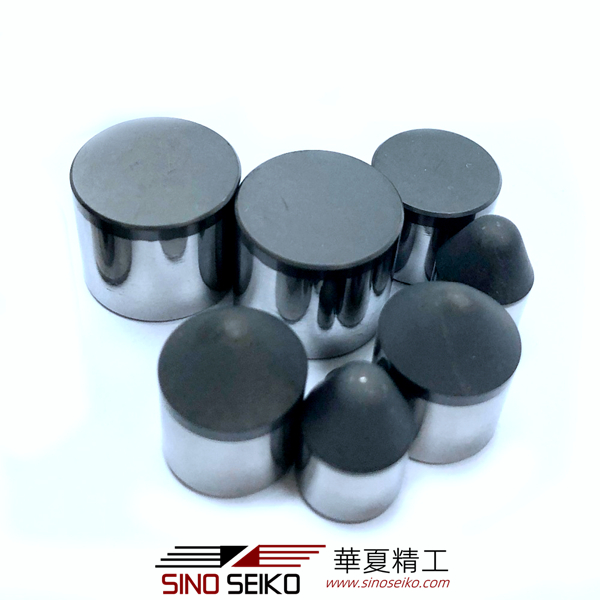
SINOSEIKO (or SSK Diamond) provides PCD and PCBN cutting tools optimized for aluminum and non-ferrous metal machining. Contact us for tool and cutting fluid recommendations.